Mount Abu Weekend Getaway

+9
Mount Abu, Rajasthan · 2 Days
Mount Abu Weekend Getaway is a 2-day cab package in Mount Abu, Rajasthan covering 10 sightseeing stops, from ₹2,799 all-in.
Your Itinerary
2-day plan — your driver adapts to traffic & weather.
DAY 1 · Arrival & Half-Point Sightseeing
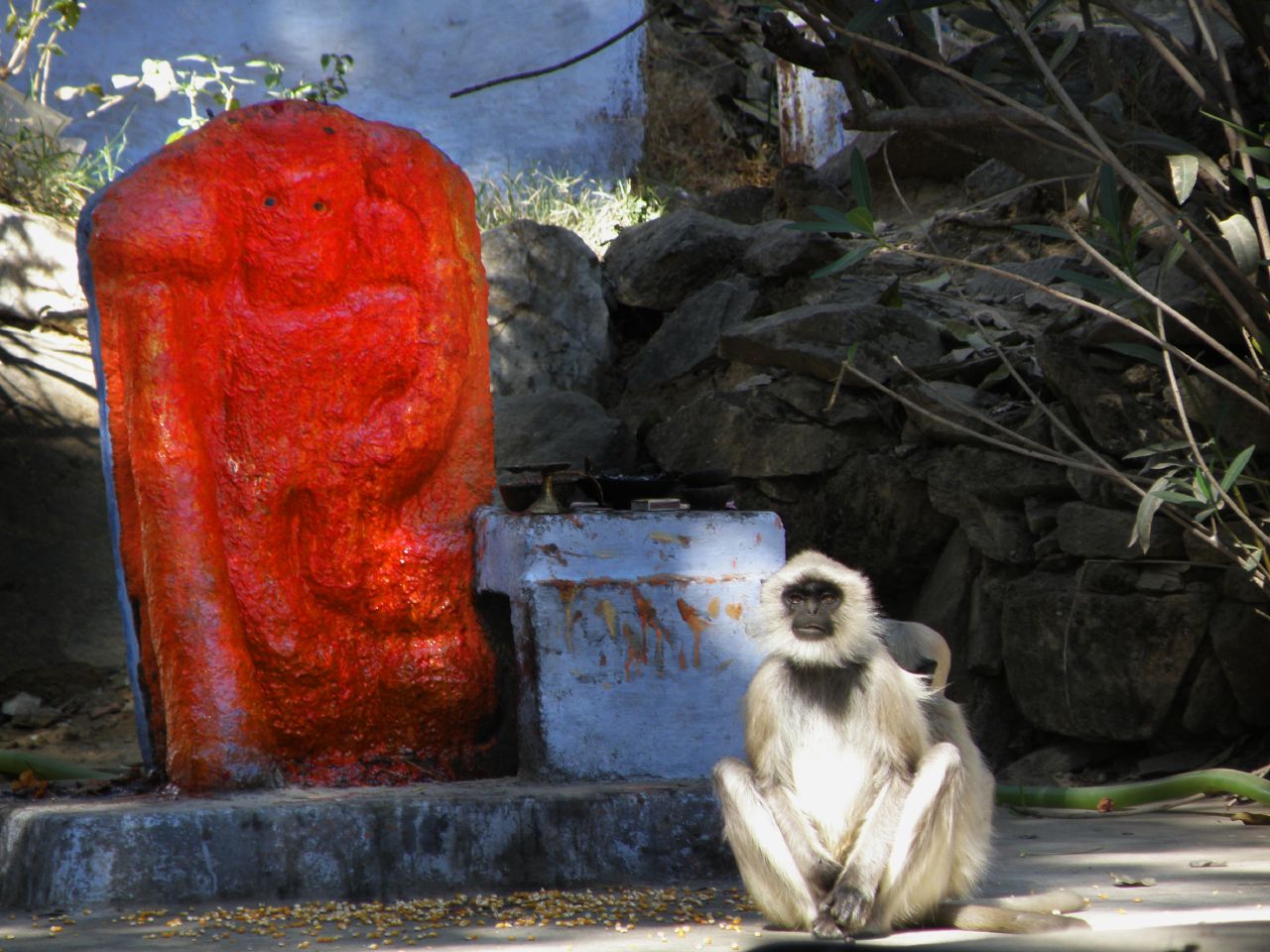
Shankar Math
DirectionsA small hillside math (monastery) on the town's sightseeing circuit, typically the first stop on the standard half-day taxi-union route out of Mount Abu.
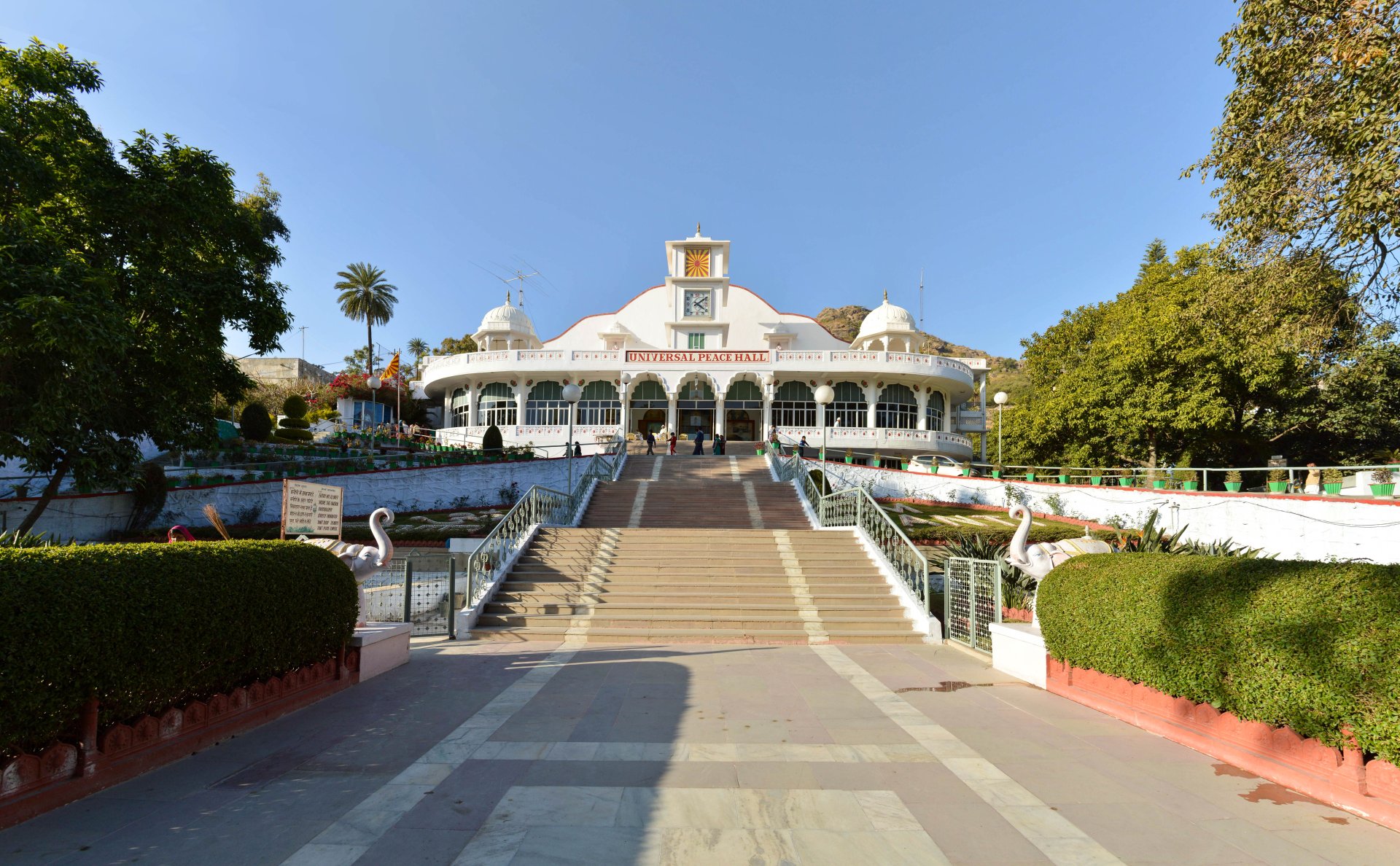
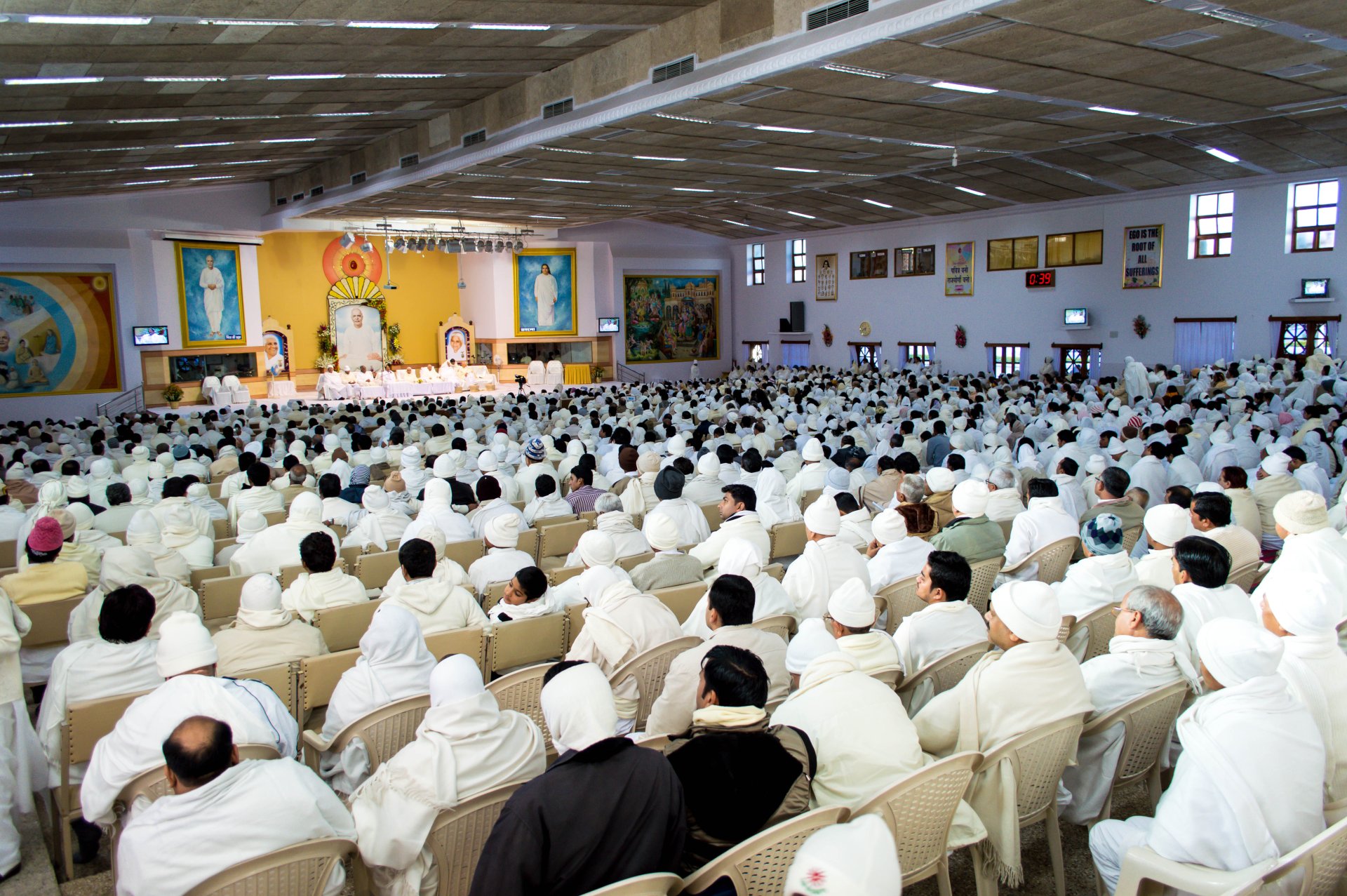
Om Shanti Bhawan
DirectionsThe main meditation hall at the Brahma Kumaris' Shantivan campus in Mount Abu, one of the movement's global headquarters -- an active spiritual site drawing visitors from across India.
Adhar Devi Temple
DirectionsA cave shrine dedicated to Goddess Arbuda Devi, reached by climbing roughly 365 rock-cut steps into the hillside -- a short, popular pilgrim detour with valley views along the way.
Sant Sarowar
DirectionsA quiet dam and reservoir on the road to Guru Shikhar, ringed by hills and rarely crowded -- a peaceful photo stop between the town and the higher viewpoints.
Dilwara Jain Temples
DirectionsA cluster of five 11th-13th century Jain temples, world-famous for intricately carved white marble ceilings and pillars -- widely regarded as among India's finest examples of marble craftsmanship. Photography is not allowed inside.
Nakki Lake
DirectionsMount Abu's centrepiece -- a spring-fed lake ringed by hills, said to be hand-dug ('nakh', nail) by the gods. Popular for pedal-boating, the promenade market, and sunset views; Toad Rock and Nun's Rock overlook the water.
DAY 2 · Achalgarh, Peace Park & Guru Shikhar
Achalgarh Fort
DirectionsA 15th-century hill fort built by Rana Kumbha, home to the Achaleshwar Mahadev Temple with its distinctive brass Nandi bull and a nearby trio of stone buffaloes marking a mythological tank.
Peace Park
DirectionsA landscaped garden run by the Brahma Kumaris beside Nakki Lake, with quiet walking paths, manicured lawns and lake views -- a calm break between sightseeing stops.
Sunset Point (Shooting Point)
DirectionsA cliffside viewpoint on the western edge of town, also known as Honeymoon Point, where crowds gather every evening to watch the sun dip behind the Aravalli hills.
Guru Shikhar
DirectionsAt 1,722 m, the highest peak in the Aravalli Range, topped by the Atri Rishi & Guru Dattatreya temple. The panoramic viewpoint is a favourite for sunrise and sweeping valley views.
Features
Inclusions
Exclusions
Cancellation Policy
Mount Abu Weekend Getaway
Mount Abu, Rajasthan · 2 Days
Duration2 Days
Stops10 sightseeing stops
Cabs from
₹2,799